The Importance of Realism in Artificial Rock Installations: Weathering and Aging Techniques
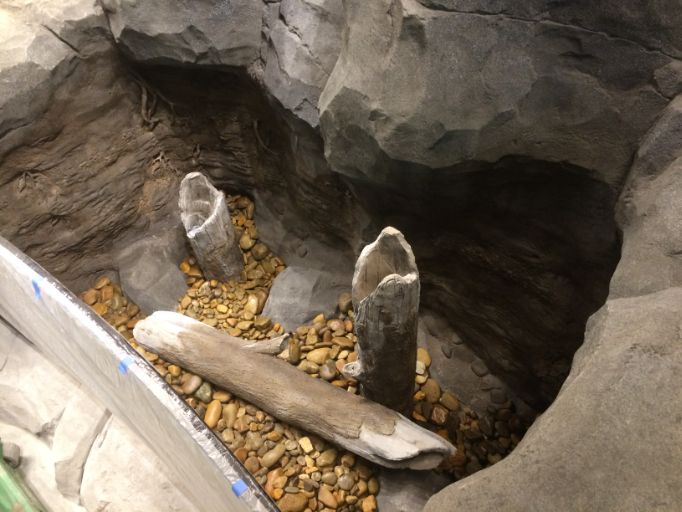
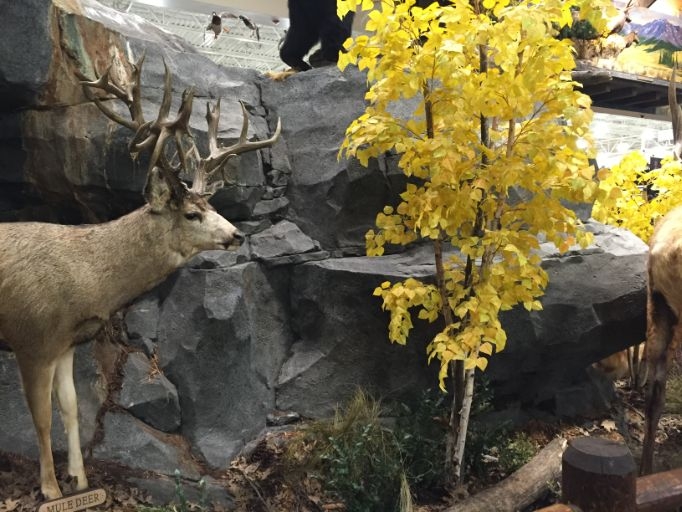
Artificial rock installations have become an integral part of modern landscaping, theme parks, zoos, and various architectural projects. These man-made structures create visually captivating environments that mimic the natural world. However, the success of these installations lies not just in their construction but also in the realism they exude. One crucial aspect that contributes to this authenticity is the application of weathering and aging techniques.
Natural rocks are subjected to countless environmental factors over timewind, water, temperature fluctuations, biological growthall contributing to their unique appearance. To replicate this in artificial rock formations requires a meticulous approach to weathering and aging. Without these techniques, even the most skillfully constructed artificial rocks can appear lifeless and unconvincing.
Weathering techniques simulate the physical changes that occur as rocks interact with their environment. For instance, texturing tools can be used to create small pits or fissures on artificial surfaces, emulating erosion caused by wind or flowing water. Chemical treatments further enhance this effect; acid washes can produce subtle color variations and surface roughness similar to those seen on naturally aged rocks.
Aging techniques involve adding layers of patina that mimic lichen growth, moss coverage, or mineral deposits typically found on old stone surfaces. Using specially formulated paints and stains allows artisans to recreate complex color patterns seen in naturefrom rusty browns indicative of iron oxidation to greenish hues signifying copper presence. Additionally, carefully placed plant material enhances authenticity by suggesting a symbiotic relationship between flora and rock over extended periods.
Incorporating realistic weathering and aging into artificial rock installations serves multiple purposes beyond mere aesthetics. It creates immersive environments where visitors experience a sense of being surrounded by genuine natural elements rather than fabricated onesa vital factor for places like zoos or botanical gardens aiming at conservation education through realistic habitat recreation.
Furthermore, well-executed weathering adds depth perception; shadows cast by textured features provide visual complexity making installations more engaging from different angles under varying light conditions throughout the dayan essential consideration for outdoor settings exposed to changing sunlight dynamics.
Finally yet importantly is sustainability awareness: By investing effort into creating durable aesthetically pleasing replicas using non-toxic materials combined with advanced aging methods reduces need frequent replacements thus minimizing ecological footprint associated maintaining such attractions long-term basis aligns goals promoting environmentally responsible practices within industry itself overall benefit society large scale perspective too!
In conclusion while constructing artificial rock installations may initially seem straightforward task achieving true realism entails embracing comprehensive application sophisticated weathering aging processes ensuring end result resonates deeply viewers capturing essence timeless beauty inherent nature seamlessly integrated human creativity technological innovation alike!
Weathering and aging techniques have long fascinated both scientists and artists alike, as they seek to replicate or understand the natural processes that shape our world. Common techniques for simulating natural weathering play a crucial role in various fields, from architectural restoration to film production, model making, and even fine arts. These methods aim to recreate the effects of time on materials, capturing the essence of wear and age.
One of the most widely used techniques is mechanical abrasion. This method involves physically wearing down surfaces through sanding, scraping, or brushing. By doing so, it mimics the gradual erosion caused by wind, water flow, or friction over extended periods. Artists often use this technique to give objects a distressed lookthink of an old wooden bench with its paint chipped away by years of exposure.
Chemical treatments are another popular approach. Substances like acids, alkalis, and oxidizing agents can be applied to materials such as metal or stone to induce corrosion or patina formation. For instance, iron can be treated with vinegar or salt solutions to produce rust quickly. Similarly, copper might be exposed to ammonia fumes to develop a verdigris patina reminiscent of ancient statues.
Thermal cycling is yet another effective technique for simulating natural weathering. This process subjects materials to repeated heating and cooling cycles that mimic diurnal temperature variations experienced in nature. Over time, these thermal stresses cause expansion and contraction in the material's structure, leading to cracking and other signs of aging.
Moisture exposure also plays a significant role in weathering simulations. By repeatedly wetting and drying materials like wood or stone, one can reproduce the effects of rainfall followed by sun exposureleading to warping, splitting, or color changes typical of aged surfaces found in outdoor environments.
Biological aging is an intriguing aspect often overlooked but essential for authenticity. Introducing mold spores or other microorganisms onto surfaces can simulate the growth patterns seen on naturally aged objects left outdoors for extended periods. The resulting biofilm not only adds visual realism but also contributes textural complexity.
In addition to these core methods are hybrid techniques that combine several approaches for more nuanced results. For example, applying chemical treatments followed by mechanical abrasion can create multi-layered textures where underlying colors peek through worn-out top layersa common sight in well-weathered artifacts.
The choice between these techniques depends largely on the specific application at handwhether it's creating props for historical films requiring period-accurate wear-and-tear effects; restoring architectural elements while preserving their historical integrity; crafting realistic scale models; or producing artwork imbued with a sense of history and passage-of-time narrative.
Ultimately though diverse they may beall these common techniques share one fundamental goal: capturing natures relentless march forward through simulated wear-and-tear processes thereby breathing life into otherwise static creations transforming them into stories etched deeply across their very surfaces telling tales only time itself could narrate authentically!
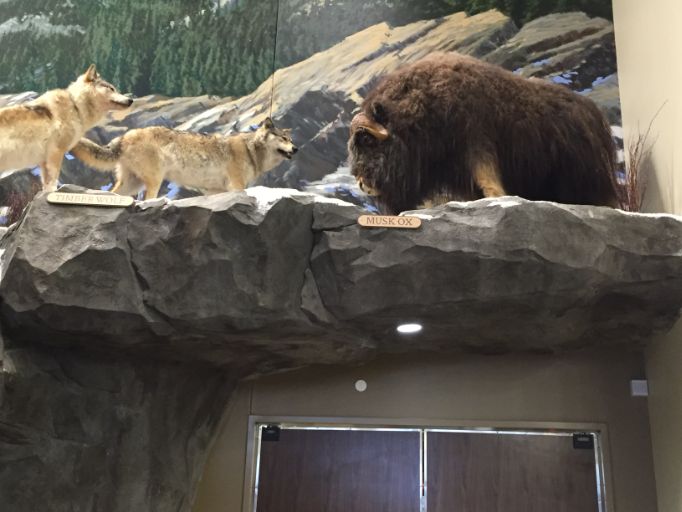
In the evolving world of landscape design, artificial rock contractors play a pivotal role in transforming ordinary outdoor spaces into extraordinary havens of beauty and functionality.. As masters of their craft, these professionals combine artistic vision with technical expertise to create stunning replicas of natural rock formations that are often indistinguishable from the real thing.
Posted by on 2024-07-27
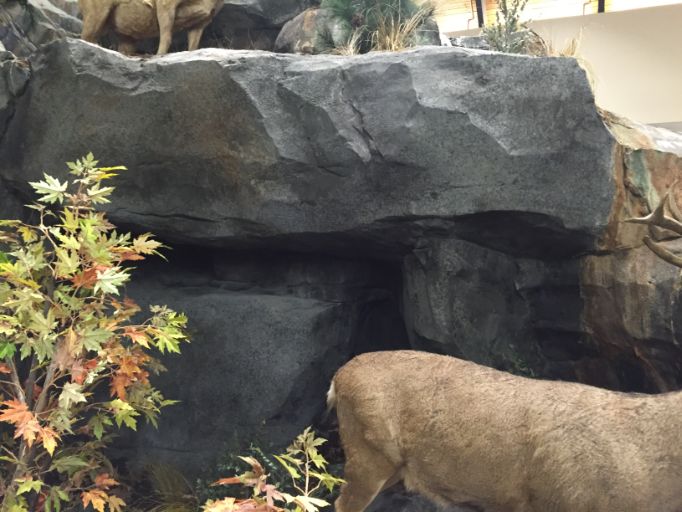
Creating artificial rocks might sound like a task best left to Mother Nature, but in reality, it's an intricate process executed by professional contractors with the utmost precision and creativity.. These fabricated stones serve various purposes—from enhancing landscape designs to providing functional elements in theme parks, zoos, and aquariums.
Posted by on 2024-07-27
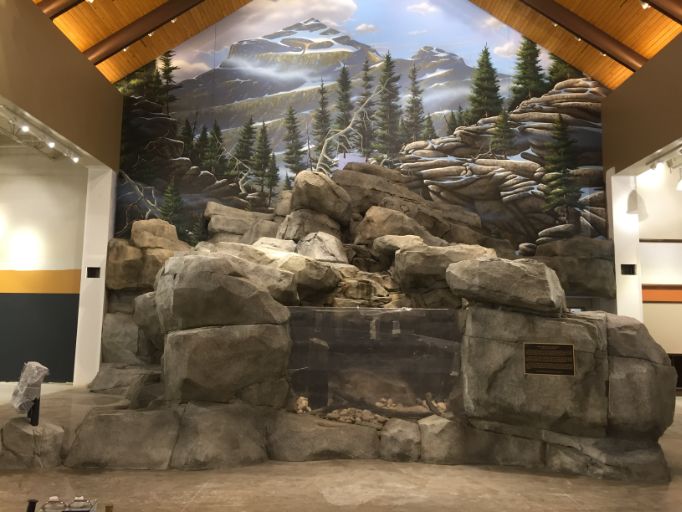
Hiring an artificial rock contractor for your project is a multifaceted process that involves careful consideration and meticulous planning.. Whether you are aiming to enhance the aesthetics of your backyard, create a unique water feature, or construct a themed environment for commercial purposes, selecting the right professional is crucial to achieving your vision.
Posted by on 2024-07-27
Weathering and aging techniques are essential processes in various fields such as art, model making, furniture restoration, and even architecture. These methods aim to replicate the natural effects of time on materials, providing an authentic look that can add character and history to new objects. To achieve this convincingly, a range of tools and materials is required.
One of the most fundamental tools for weathering and aging is sandpaper. Available in different grits from coarse to fine, sandpaper allows artists and craftsmen to simulate wear by creating scratches or smoothing surfaces selectively. This tool is particularly effective for woodwork where controlled abrasion can mimic years of use.
Another indispensable item is paint. Specifically, acrylic paints are favored due to their versatility and quick drying properties. They can be used straight out of the tube or diluted with water for washes that settle into crevices, highlighting textures reminiscent of dirt accumulation over time. Oil paints are also useful in some applications; they dry slower than acrylics which makes them ideal for blending colors seamlessly when simulating rust or patina.
Brushes come next on the list. High-quality brushes provide precision but having a variety including old frayed ones adds a unique touch; these worn-out brushes can create irregular patterns perfect for mimicking natures arbitrary impacts on surfaces. Sponges too play a vital role: natural sea sponges with their random porous structures offer excellent means to apply stippling effects that resemble moss growth or corroded metal spots.
Chemical agents like ammonia solutions or vinegar are often employed for metal aging techniques. These substances react with metals such as copper or brass to accelerate oxidation processes, resulting in verdigris or tarnish much faster than would naturally occur.
For those working with plastics or resins in model making, specialized solvents such as acetone can be used sparingly to soften edges just enough without melting the material entirely giving an impression of prolonged exposure under harsh conditions.
Wood stains also occupy an important place among materials needed for aging processes. Different types offer varied hues ranging from golden browns indicating light sun damage to darker ebony shades suggestive of long-term neglect indoors away from sunlight but exposed perhaps instead to moisture-related decay.
Aging powders deserve mention too; finely milled pigments applied dry using soft bristle brushes enable users not only control over intensity but also ease removal excess powder if mistakes occur something liquid mediums don't always allow easily once they've dried onto surfaces!
Adhesives like PVA glue watered down create convincing peeling paint effects when layered properly while wax-based products lend themselves well towards simulating greasy residues left behind after handling objects repeatedly over years gone by - think about doorknobs shiny centers dulled edges where fingers never quite reach cleaning cloths regularly enough keep grime bay entirely!
Finally no discussion complete without mentioning sealants varnishes protective sprays help preserve finished works ensuring all hard labor invested doesn't fade prematurely especially important outdoor displays subjected elements directly daily basis potentially undoing careful crafted illusions almost overnight rainstorms intense sunlight alike pose threats longevity meticulously aged creations otherwise stand test time admirably indeed!
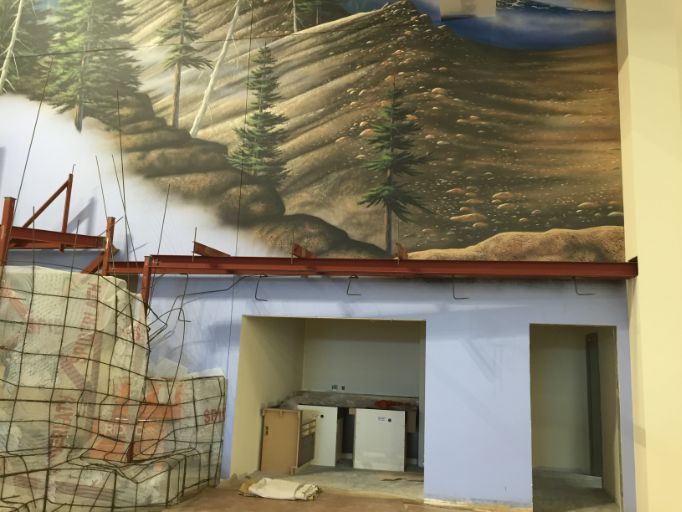
Weathering and aging techniques are essential for adding realism to models, dioramas, and various forms of art. The process can transform a pristine object into something that tells a story of time, use, and exposure to the elements. This step-by-step guide will walk you through the fundamental methods of applying weathering effects to enhance your creations.
Step 1: Research and Reference
Before you begin weathering an object, research is crucial. Gather reference photos and study how different materials age under similar conditions. Whether its rust on metal, peeling paint on wood, or dirt accumulation on concrete, understanding these natural processes will provide valuable insights into achieving authentic weathering effects.
Step 2: Base Coating
Start with a solid foundation by applying a base coat to your model or object. Choose colors that reflect the underlying material. For instance, if you're working on a metallic surface that will be rusted later, start with a steel or iron color. Use acrylic paints as they dry quickly and offer good adhesion.
Step 3: Chipping Medium
For chipped paint effects, apply a chipping medium over the base coat once it's dry. After the chipping medium has cured (usually within an hour), paint over it with your top color layer. Once this top layer is dry but not fully set (about 15-30 minutes), use a damp brush or sponge to gently rub areas where you want chips to appear. The top layer will peel away revealing the base coat underneath.
Step 4: Washes
Washes are thin layers of diluted paint used to accentuate details and create shadows in recessed areas. Mix water with dark acrylic paint (such as black or brown) until it achieves the consistency of ink. Apply this wash liberally over your model; capillary action will draw it into crevices while excess can be wiped off from raised surfaces with a clean cloth or paper towel.
Step 5: Dry Brushing
Dry brushing highlights edges and textures by lightly dragging almost-dry paint across raised surfaces. Dip your brush in paint then wipe off most of it onto paper towels until only trace amounts remain on bristlesthen gently sweep across edges or textured parts of your model for subtle highlights mimicking wear-and-tear patterns seen in real life objects subjected over prolonged usage periods outdoors exposed directly against harsh environmental factors like UV radiation rainstorms snowfall etcetera
Step 6: Pigments & Pastels
Powdered pigments mimic dirt grime soot etc., adding depth realism final touch-up stages modeling process itself First choose suitable earth-tones using artist-quality chalk pastels grind pigment powder form Tap sprinkle onto desired sections fixative spray hold place Alternatively pre-made hobbyist powders specific purposes available stores online
Step 7: Rust Effects
For realistic-looking rust mix reddish-brown orange tones fine application spots likely accumulate moisture typically around joints seams bolts hinges stipple technique small stiff-bristled brush build layers varying intensity scatter some powdered rust pigment additional authenticity seal varnish protect finished project
In conclusion following meticulous steps outlined ensure achieve convincing well-executed results when aiming replicate naturally-occurring phenomena associated passage crafted pieces Through careful observation diligent practice mastery gained ability breathe life static representations injecting them vivid narratives grounded reality
Understanding the intricacies of weathering and aging techniques is essential for artists, model makers, and restoration experts who strive to create realistic representations or preserve historical artifacts. While these methods can yield stunning results that enhance the authenticity of a piece, they also entail various safety hazards that must be meticulously managed. Safety precautions during the application of aging techniques are not merely recommended; they are imperative to ensure both personal well-being and environmental stewardship.
One of the primary concerns in this domain is the use of chemical agents. Many weathering solutions contain solvents, acids, or other reactive substances that pose significant health risks upon inhalation or skin contact. Therefore, it is crucial to work in a well-ventilated area, ideally equipped with an exhaust system designed to expel hazardous fumes. Wearing appropriate protective gear such as gloves, goggles, and respirators further mitigates these risks by providing a barrier against accidental exposure.
In addition to chemical dangers, physical tools used in aging techniquessuch as sanders, wire brushes, and cutting instrumentsdemand careful handling. Improper use can lead to injuries ranging from minor cuts to severe lacerations. It is advisable to familiarize oneself thoroughly with each tool's operation prior to commencing any project. Ensuring that tools are in good working condition and using them according to manufacturer guidelines can prevent many accidents.
Fire hazards also deserve attention when dealing with certain aging processes like soldering or using flammable materials such as alcohol-based inks and paints. Keeping a fire extinguisher nearby is a prudent measure that could avert potential disasters. Moreover, storing flammable substances properlyin cool, dry places away from heat sourcescan significantly reduce fire risk.
Environmental considerations cannot be overlooked either. Many chemicals used in weathering processes can be harmful if improperly disposed of. Its essential to follow local regulations for hazardous waste disposal meticulously. This might involve taking used chemicals and contaminated materials to designated disposal facilities rather than simply throwing them into household trash bins.
Another overlooked aspect is ergonomic safety during long hours spent on detailed work like painting or sanding intricate models or artworks. Poor posture can lead to repetitive strain injuries over time. Ergonomic chairs and adjustable workbenches tailored for prolonged tasks can help maintain comfort and reduce physical stress.
Documentation plays a vital role in ensuring safety during these procedures as well. Maintaining Material Safety Data Sheets (MSDS) for all chemicals used provides quick reference information on handling emergencies like spills or accidental ingestion/incorporation into the body systems.
Finally, continuous education about new safety standards and emerging hazards remains indispensable for anyone involved in applying aging techniques. Participating in workshops or online courses updated with the latest industry practices ensures one stays informed about safer alternatives or advanced technologies designed to minimize risk without compromising artistic quality.
In conclusion, while weathering and aging techniques offer extraordinary avenues for creativity and preservation, they come with inherent risks demanding comprehensive safety measures. By adhering strictly to protective protocols involving proper ventilation, personal protective equipment (PPE), correct handling of tools and chemicals, fire prevention strategies alongside responsible waste management practicesand staying informed through ongoing educationwe not only safeguard our health but also contribute responsibly towards environmental sustainability while achieving our creative objectives.
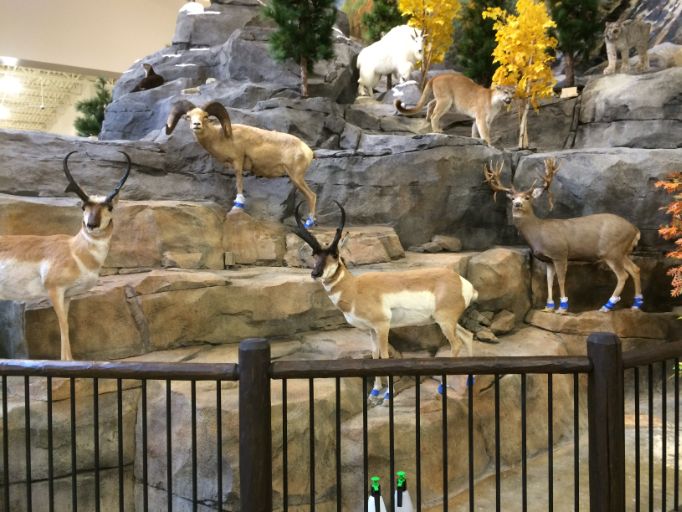
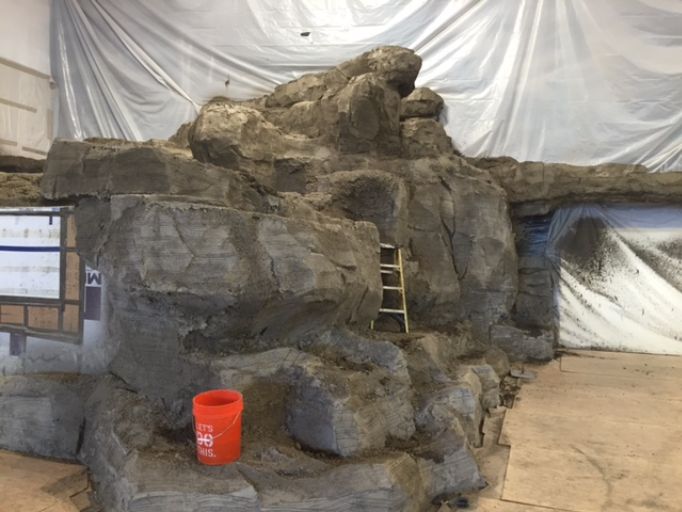
Weathering and aging techniques have long been a cornerstone of achieving authenticity in model making, miniature construction, and various forms of scenic artistry. To truly understand the impact and mastery of these techniques, it is beneficial to examine case studies of successful projects by leading contractors who have excelled in this niche.
One standout example is the work undertaken by Scale Modeling Solutions (SMS) on a historical diorama commissioned for a prominent museum. The project involved recreating an early 20th-century industrial site with such meticulous attention to detail that visitors could almost smell the coal dust and hear the clanking machinery. SMS employed a variety of weathering techniques to achieve this level of realism. They used washes and filters to simulate grime accumulation on brick walls and metal structures, while chipping fluids mimicked paint wear on factory doors and storage tanks. The team also utilized pastels and pigments to represent rust and soot deposits, thereby injecting life into every inch of the diorama.
Another exemplary project comes from Urban Scapes Restoration Inc., which specializes in refurbishing urban landscapes for film sets. For a recent high-profile movie set in post-apocalyptic New York City, they transformed modern streetscapes into convincingly derelict environments. Their approach involved layers upon layers of treatments: airbrushing subtle gradations to mimic sun-bleached surfaces, applying crackle mediums for aged paint effects, and even incorporating organic materials like mosses and lichens for an added touch of decay. Notably, their use of laser-cut stencils allowed them to replicate graffiti that appeared organically aged over timea detail that significantly enhanced the scene's credibility.
In the realm of virtual applications, Digital Environments LLC has pushed boundaries with their CGI work on video games requiring realistic depictions of aging structures. By developing proprietary algorithms that mimic natural weathering processessuch as water runoff patterns creating streaks down walls or wind erosion softening edgesthey've managed to bring digital landscapes astonishingly close to real-world counterparts. Their success lies not just in technical prowess but also in their deep understanding of how materials age under different environmental conditions.
Each case study underscores a common thread: the blend of artful intuition with scientific precision. Leading contractors like SMS, Urban Scapes Restoration Inc., and Digital Environments LLC demonstrate that mastering weathering and aging techniques requires more than just skillit demands an acute sensitivity to details often overlooked by casual observers but instantly recognized when absent or poorly executed.
Moreover, these projects highlight another crucial aspect: collaboration across disciplines enhances outcomes significantly. Whether it's consulting historians for accurate period-specific wear patterns or leveraging advanced software tools developed by computer scientists, achieving excellence in this field is invariably a team effort.
Ultimately, what makes these case studies inspirational isn't merely their visual impressiveness but rather the story each tells through its meticulously weathered elementsthe narrative richness bestowed upon every chipped corner or rusted bolt reminds us that objects too bear witness to time's inexorable march.
As we continue exploring new frontiers in design and storytelling through material culture, learning from these exemplars provides invaluable lessons not only about technique but also about patience, observation, and respect for historys silent yet eloquent testimony etched onto surfaces everywhere around us.
When it comes to the maintenance and upkeep of aged artificial rocks, there's an intriguing blend of artistry and science at play. These engineered structures often serve as vital components in landscaping, aquarium design, theme parks, and even architectural features. Over time, these rocks are subject to weathering and aging processes that can either enhance their natural appearance or detract from their visual appeal if not properly managed.
One of the primary techniques for maintaining aged artificial rocks involves regular cleaning. Dirt, algae, moss, and other organic materials can accumulate on the surface, leading to discoloration and a less realistic appearance. Gentle scrubbing with a soft brush and mild detergent typically suffices for routine cleaning, while more stubborn stains might require specialized cleaners designed to be safe for synthetic materials.
Weathering is another crucial aspect that must be considered when caring for artificial rocks. Natural elements like wind, rain, sun exposure, and temperature fluctuations can lead to wear and tear over time. To protect against these factors, applying a sealer specifically formulated for artificial rock surfaces is recommended. Sealers not only help in preserving color but also provide a barrier against moisture penetration which could otherwise cause structural damage.
Aging techniques play an essential role in ensuring that artificial rocks maintain their authenticity over time. One effective method involves using patinas or washes made from diluted paints or stains that mimic the look of natural aging processes such as lichen growth or mineral deposits. These applications should be done skillfully to avoid an overly uniform appearance; variation is key to achieving a lifelike effect.
Repairs are inevitable as part of the long-term upkeep of artificial rocks. Small chips or cracks can develop due to physical impact or continued exposure to harsh environmental conditions. Repairing these imperfections promptly with matching materials ensures longevity and maintains aesthetic integrity. Epoxy resins or specialized patch kits are commonly used for this purpose.
An often overlooked yet significant aspect of maintaining aged artificial rocks is periodic inspection by professionals who understand both the artistic intent behind their creation and the technical requirements needed for their preservation. Experts can identify subtle signs of deterioration early on and recommend appropriate interventions before minor issues escalate into major problems.
In conclusion, the maintenance and upkeep of aged artificial rocks require a multifaceted approach combining regular cleaning, protective sealing, artistic enhancement through aging techniques, timely repairs, and professional inspections. By following these practices diligently, one can ensure that these synthetic structures continue to offer both functional value and visual delight well into the future.